Basic computer skills are the foundation of modern digital literacy. Whether you’re learning for school, work, or personal use, mastering core computer functions enables you to work smarter, communicate effectively, and stay safe online. This guide explains the essential skills every beginner should know—from operating systems to file management, internet navigation, software basics, security habits, and troubleshooting. By the end, you’ll have a practical understanding of how to use a computer confidently and efficiently.
1. Understanding the Computer Basics
A computer is made up of hardware (physical parts) and software (programs you use). Knowing these fundamentals helps you navigate any device more easily.
a. Hardware Components
Essential hardware parts include:
- Monitor – displays images and information
- Keyboard and mouse – primary tools for typing and navigation
- CPU (processor) – the “brain” of the computer
- RAM – short-term memory that helps programs run smoothly
- Storage (HDD/SSD) – long-term data storage
- Ports and connectors – USB, HDMI, audio jacks for peripherals
Understanding what each part does makes it easier to troubleshoot and upgrade your system later.
b. Operating Systems
The operating system (OS) is the software environment the entire computer runs on. The most common OS options include:
- Windows
- macOS
- Linux distributions
Each has unique features, but all allow you to run programs, manage files, and connect to the internet.
c. Basic Navigation
Beginners should learn how to:
- Use the desktop, taskbar, dock, and start menu
- Open, close, and switch between programs
- Adjust settings such as brightness, volume, and network connections
- Install or uninstall applications
These skills form the foundation for all computer interactions.
2. File and Folder Management
File management is one of the most important digital skills. It helps you stay organized, avoid losing important work, and work more efficiently.
a. Creating and Organizing Folders
Learn how to:
- Create folders for projects, photos, documents, or applications
- Use clear naming conventions
- Separate personal and work files
- Organize by category or date
A good folder system saves time and reduces clutter.
b. Saving and Locating Files
Every beginner should know:
- How to save files to specific folders
- The difference between “Save” and “Save As”
- How to use search tools to find lost files
- How to pin frequently used folders
c. Understanding File Types
Common file types include:
- .docx, .pdf — documents
- .jpg, .png — images
- .mp4, .mov — videos
- .zip — compressed files
Recognizing these types helps you choose the right program to open or edit files.
d. Backing Up Data
Use:
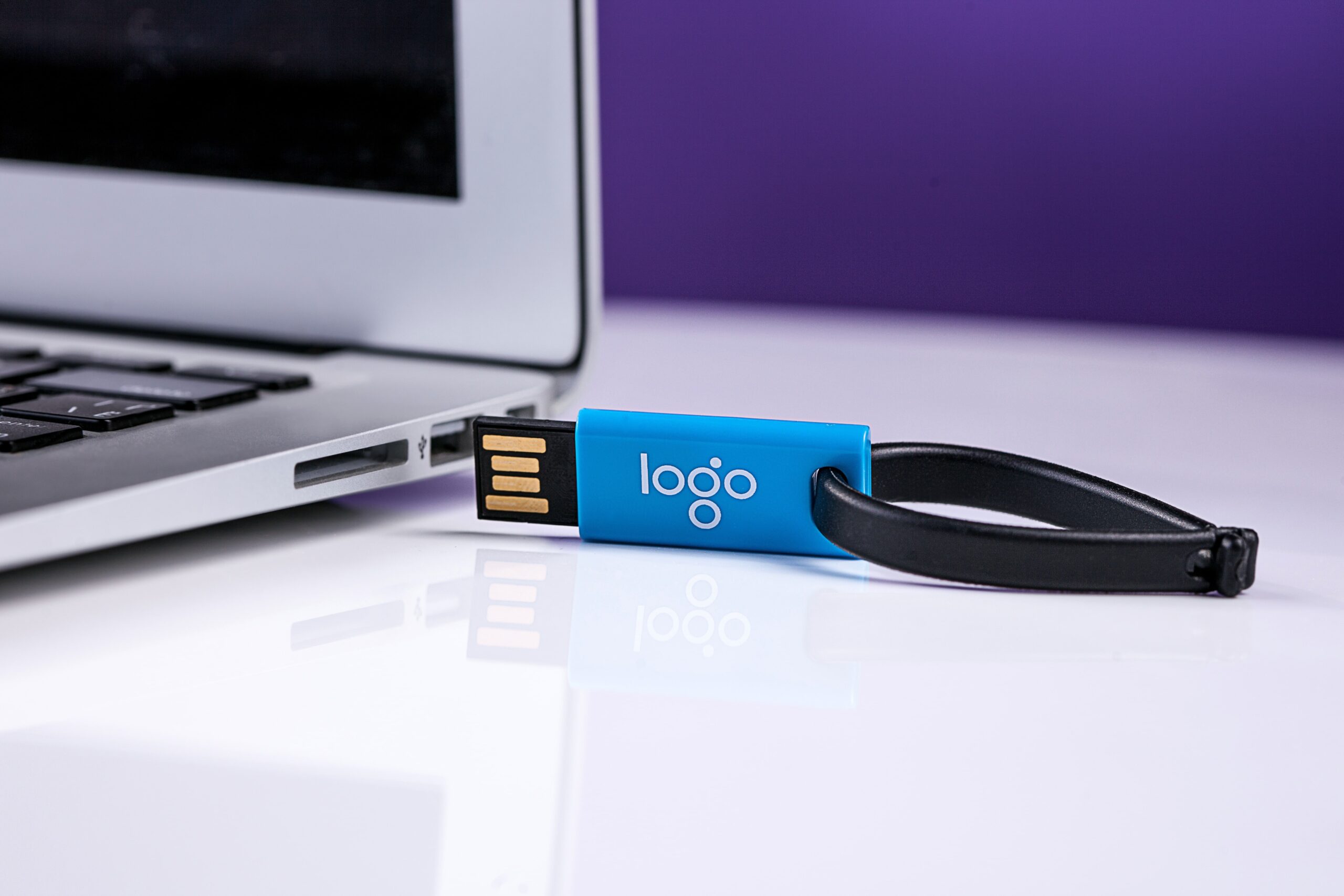
- USB drives
- External hard drives
- Cloud storage (Google Drive, OneDrive, iCloud)
Regular backups protect your data from accidental loss.
3. Essential Software Skills
Software applications power everyday tasks—from writing to presentations. Beginners should know how to use at least the basics.
a. Word Processing
Programs like Microsoft Word or Google Docs allow you to:
- Type and format text
- Insert images
- Create tables, lists, and headings
- Export files as PDFs
These skills are essential for school, work, and communication.
b. Spreadsheets
Excel, Google Sheets, or Numbers enable:
- Basic formulas
- Sorting and filtering
- Charts and tables
- Budgeting, tracking, and data entry
Even beginner spreadsheet skills are extremely valuable.
c. Presentation Software
PowerPoint, Keynote, and Google Slides allow you to create visual presentations with:
- Slides
- Images and charts
- Animations
- Speaker notes
d. System Tools
Beginners should learn to use:
- File Explorer / Finder
- Task Manager / Activity Monitor
- Settings app
- System updates
These tools help manage performance and troubleshoot issues.
4. Internet and Email Skills
The internet is central to nearly every digital activity. Understanding how to navigate it safely and effectively is essential.
a. Web Browsing Basics
Learn to:
- Use browsers like Chrome, Safari, or Edge
- Open tabs and bookmarks
- Recognize secure websites (https)
- Perform effective searches
b. Using Email
Skills include:
- Creating and sending emails
- Adding attachments
- Organizing inbox with folders and filters
- Recognizing phishing attempts
Email remains one of the most common communication tools.
c. Online Safety Practices
Beginners should know:
- Never share personal info on untrusted sites
- Avoid suspicious links
- Use strong, unique passwords
- Enable two-factor authentication
Safe habits protect your identity and data.
d. Understanding Cloud Services
Cloud services store files online so you can access them anywhere. Basic tasks include:
- Uploading and downloading files
- Sharing links
- Syncing across multiple devices
5. Computer Security Fundamentals
Security is essential for protecting your computer and personal information.
a. Antivirus and Anti-Malware
Install trusted security software to block harmful programs.
b. Software Updates
Regular updates:
- Patch security vulnerabilities
- Improve performance
- Fix bugs
Most devices allow automatic updates.
c. Strong Password Practices
Good password habits include:
- Using a mix of letters, numbers, and symbols
- Avoiding reused passwords
- Storing passwords in a manager
d. Safe Downloads
Only download software from:
- Official websites
- App stores
- Verified publishers
This prevents accidental installation of harmful programs.
6. Basic Troubleshooting Skills
Knowing how to solve common issues saves time and prevents frustration.
a. Restarting the Device
One of the simplest and most effective troubleshooting steps.
b. Checking Cables and Connections
Loose cables often cause:
- No display
- No internet
- Unresponsive peripherals
c. Closing Unresponsive Programs
Task Manager or Activity Monitor can force-close stuck applications.
d. Freeing Up Storage
Remove:
- Temporary files
- Duplicate files
- Unused apps
Low storage slows computers down significantly.
e. Internet Connection Issues
Try:
- Restarting the router
- Reconnecting Wi-Fi
- Checking airplane mode
7. Tips for Building Confidence and Efficiency
a. Practice Regularly
Consistent use builds muscle memory and confidence.
b. Try Keyboard Shortcuts
Shortcuts like:
- Ctrl + C, Ctrl + V (copy/paste)
- Alt + Tab (switch apps)
- Ctrl + F (search)
These greatly speed up workflow.
c. Maintain Your Computer
- Clean dust regularly
- Update the OS
- Remove unused files
d. Explore New Tools
Begin learning additional skills like video calling, photo editing, or cloud collaboration as you grow more comfortable.
8. Real-World Examples
Example 1: A Student
A college student improved productivity by learning file organization and cloud storage, allowing them to quickly locate assignments and collaborate with classmates.
Example 2: An Office Worker
An employee mastered spreadsheets and email filters, reducing time spent sorting messages and improving workflow efficiency.
Example 3: A Senior Beginner
A retiree learned basic internet skills, enabling them to manage appointments online, video-call family, and back up photos safely.
Frequently Asked Questions (FAQ)
1. How long does it take to learn basic computer skills?
Most beginners can learn the essentials within a few weeks of consistent practice.
2. Do I need an expensive computer to start learning?
No. Any basic laptop or desktop with internet access is enough for learning everyday skills.
3. Are online computer courses helpful?
Yes. Platforms like YouTube, Coursera, and Khan Academy offer free beginner tutorials.
4. What skills should I learn first?
Start with file management, web browsing, email, and basic software use. These are core essentials.
5. How can I avoid computer viruses?
Use antivirus software, avoid suspicious links, keep your system updated, and download only from trusted sources.
Actionable Checklist to Get Started
- Learn basic navigation and operating system tools
- Practice creating, naming, and organizing folders
- Use cloud storage for backup
- Get comfortable with word processing, spreadsheets, and presentations
- Set up email and learn how to send attachments
- Practice safe browsing and strong password habits
- Keep your computer updated and clean
- Use keyboard shortcuts to speed up tasks
- Troubleshoot common issues with simple steps like restarting or checking connections